
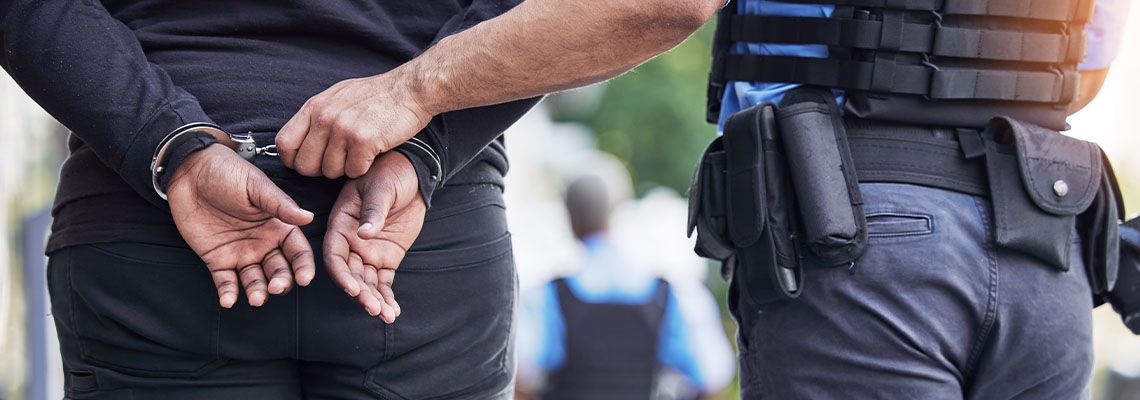
Challenging Arrests Based on Anonymous Tips in Criminal Cases
Arrests based solely on anonymous tips present unique challenges in criminal cases. A single unverified tip can't automatically justify a search, seizure, or arrest. However, in practice, these tips sometimes lead to arrests that could be legally questionable.
At Vernetti Law, I provide knowledgeable legal services to clients facing criminal charges that originated from anonymous tips. Knowing how these tips are treated in court is critical to protecting your rights—and I'm here every step of the way to analyze all of the details and craft a compelling case on your behalf. I serve clients throughout the state from Bentonville, Arkansas. Schedule a free consultation today if you're facing criminal charges and need trusted guidance.
When Anonymous Tips Lead to Criminal Charges
Anonymous tips can trigger law enforcement investigations, sometimes resulting in arrests. While officers act on these tips, the credibility and specificity of the information play a key role in whether criminal charges are valid. Some ways anonymous tips lead to criminal charges include:
Observation of suspicious behavior: A tip claims someone is engaging in illegal activity.
Allegations of drug activity: Neighbors, passersby, or informants provide information about potential illegal drug transactions.
Suspicious vehicle reports: Anonymous tips about stolen or suspicious vehicles can trigger stops or searches.
Other criminal activity alerts: Tips include alleged theft, fraud, or other offenses.
Even when law enforcement acts on a tip, it doesn't automatically mean the arrest is legally justified. Courts evaluate whether the tip provided sufficient detail and reliability to establish probable cause.
Possible Defenses
Not all arrests based on tips are automatically valid. Identifying signs that an arrest can be challenged can help you work with your criminal defense attorney to build a strong defense. Some indicators include:
Lack of corroboration: Officers didn't independently verify the tip before making the arrest. This means there might be no other evidence linking you to the alleged activity. Without independent verification, the tip alone doesn't meet the legal standard for probable cause.
Vague or generalized information: The tip didn't include specific details that can be verified. General statements like “someone is doing something suspicious” often don't provide enough context for law enforcement to act. A criminal defense attorney can argue that the lack of specificity makes the arrest legally questionable.
Timing or location issues: The tip didn't match observable facts at the time of the arrest. For example, the reported activity may already have ended or occurred elsewhere. These inconsistencies can be vital in challenging the credibility of the tip and the validity of the arrest.
Discrepancies in official reports: Officer statements or documentation may conflict with the tip's allegations. Differences between police reports and the tip can suggest errors or misinterpretations in the investigation. Highlighting these discrepancies can help your attorney argue that the arrest wasn't properly justified.
When these factors are present, an experienced criminal defense attorney can evaluate whether the arrest violated your rights or lacked probable cause. Schedule a free consultation to learn more.
Questioning Probable Cause and Analyzing Corroboration
When an arrest is based on an anonymous tip, one of the most important ways a criminal defense attorney can defend you is by questioning whether law enforcement had probable cause. Probable cause is the legal standard that allows officers to make an arrest or conduct a search.
If a tip alone prompted the arrest without independent verification, it doesn't meet this standard. Our attorneys review the circumstances surrounding your arrest to determine whether the police had sufficient evidence to justify their actions.
Analyzing corroboration is another critical part of challenging arrests based on tips. Corroboration refers to additional evidence or observations that confirm the accuracy of the tip. Without this supporting evidence, the tip’s reliability can be called into question.
A criminal defense attorney will examine police reports, surveillance footage, witness statements, and other records to determine whether the tip was independently verified. This process can reveal weaknesses in the prosecution’s case and provide grounds to suppress evidence or even have charges reduced or dismissed.
Common Challenges in Cases Involving Anonymous Tips
Cases based on anonymous tips can be difficult because judges and juries place weight on law enforcement actions, even when the tip is unverified. Some common challenges include:
Perceived credibility of officers: Courts often give deference to police judgment, even when the tip is questionable.
Lack of direct witnesses: The anonymous source may not be available to testify or confirm details.
Technicalities in procedure: Suppressing evidence or challenging probable cause requires precise legal arguments.
Timing and memory issues: Delays between the tip, arrest, and trial affect evidence and testimony.
Working with a criminal defense attorney is critical to working through these challenges and protecting your legal rights. Together, you and I will develop a case that supports the best possible outcome.
Steps to Take When Arrested From a Tip
If you are facing criminal charges resulting from an anonymous tip, there are practical steps you can take to protect your case:
Document your version of events: Record dates, times, and circumstances surrounding the arrest.
Preserve evidence: Keep any communications, receipts, or items related to the incident safe and unaltered.
Avoid discussing the case publicly: Don't post details on social media or share information with others outside your legal team.
Request access to reports: Through your attorney, obtain police reports and tip-related documentation.
Follow legal advice: Comply with your criminal defense attorney’s guidance regarding court appearances and interactions with law enforcement.
Taking these steps helps your attorney build a strong case and protects your rights throughout the process. Taking the necessary legal steps increases the likelihood of a favorable outcome.
Trusted Legal Guidance
Arrests based on anonymous tips are stressful and challenging. You may worry about the credibility of the tip, how evidence was obtained, or the potential consequences of criminal charges. A criminal defense attorney can provide guidance, support, and representation to help you challenge weak or unreliable arrests effectively.
At Vernetti Law, I review all aspects of your case, from the tip itself to the police procedures and any resulting evidence. I will gladly develop strategies tailored to your situation and advocate for outcomes that protect your rights.
From my Bentonville office to clients throughout Arkansas, I'm here to help you work through these cases with confidence. Schedule a free consultation with an experienced criminal defense attorney who can help you understand your options and defend your rights.