
Blood and Breath Tests in DWI Prosecutions
Facing a DWI charge is an incredibly stressful time in anyone's life. The uncertainty about your future, your job, and your reputation can create a heavy burden of anxiety. It's natural to feel cornered when you're handed a piece of paper showing a blood alcohol concentration (BAC) over the legal limit.
At Vernetti Law, we dedicate our practice to helping people through these difficult moments. When you're dealing with the legal system, having an experienced lawyer on your side is critical to protecting your rights. We represent clients throughout Benton County and Washington County from our office in Bentonville, Arkansas. Reach out today if you need help with your case and building your defense.
How Breath Tests Work
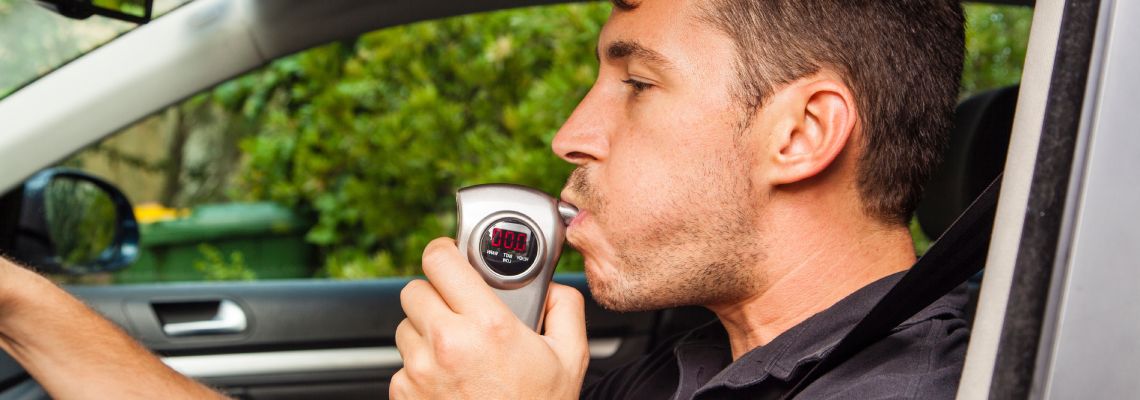
Most people assume breathalyzers are foolproof machines that provide an exact measurement of intoxication. In reality, these devices don't measure blood alcohol directly; they use a mathematical formula to estimate BAC based on the alcohol vapor in your breath. This process relies on many assumptions that aren't always true for every individual. If the machine isn't maintained perfectly, the results it spits out are highly questionable.
As defense lawyers, we often challenge these findings by looking at the machine's maintenance history. Machines require regular calibration to stay accurate. If a device hasn't been checked in accordance with state regulations, its results shouldn't be used in court.
We also look for operator mistakes, such as failing to observe the subject for the required 20-minute period before the test. If you burp, vomit, or have something in your mouth during that window, the test result can be falsely inflated.
Challenges With Blood Testing
Blood tests are often called the "gold standard" in DWI cases, but they're prone to human error and scientific lapses. The process involves multiple steps, from the actual draw to the storage and final analysis in a lab. Any deviation from proper protocol can contaminate the sample or lead to inaccurate data.
For instance, if the technician uses an alcohol-based swab to clean your arm before the needle goes in, that alcohol can seep into the sample and skew the BAC higher.
You need a defense lawyer to scrutinize every detail of how the lab handled your blood. I look at the chain of custody to see if the sample sat in a hot car or an unsecured fridge for too long. Improper storage can lead to fermentation, which produces alcohol within the vial.
Potential Factors Affecting Test Results
Many variables that have nothing to do with how much you had to drink can change the outcome of a chemical test. Science isn't always as black and white as the police want you to believe. Your body's unique chemistry and the environment where the test was conducted play major roles in what the final numbers look like.
Physiological variations: Diet, health conditions, or medication are potential factors that can influence results. For example, people on low-carb diets or those with diabetes might produce ketones, which certain breathalyzers mistake for alcohol.
Environmental impacts: How alcohol is absorbed or how the sample is handled can skew data. Even the temperature of the room or your own body temperature can change the breath-to-blood ratio used by the testing device. Additionally, external factors such as the test site's elevation can further affect the reliability of these sensitive measurements.
Because so many outside influences can trigger a false positive, it's vital to look at the whole picture. Lawyers don't just take the police report at face value. Lawyers dig into the science to see if there's a medical or environmental reason for your test result that has nothing to do with impairment.
Defense Strategies Against Chemical Testing
A strong defense starts with a thorough investigation into every aspect of your arrest. As your defense advocates, we begin by examining the initial stop. If the officer didn't have a valid reason to pull you over, everything that happened after that—including the breath or blood test—might be thrown out of court. A lawyer will also examine the testing equipment to see if it was functioning correctly at the time of your test.
A lawyer will work to protect your rights by requesting the full records of the testing process. This includes the "gas chromatogram" data from blood tests and the internal logs of breath machines. By finding small mistakes in the chain of custody or the lab's procedures, you can create the doubt necessary to help your case. The goal is to make sure you aren't treated like just another file on a prosecutor's desk.
A Defense Lawyer Who Cares About Your Case
The results of a blood or breath test can be the most influential piece of evidence in a DWI prosecution, but they don't have to be the final word. These tests are technical and prone to mistakes, and knowing how to spot those errors can change the trajectory of your case. Whether it's a faulty machine or a mishandled sample, I know where to look for the cracks in the government's evidence.
At Vernetti Law, our attorneys are here to stand between you and the harsh penalties of a conviction. We serve clients throughout Benton County and Washington County, with a convenient location in Bentonville, AR. As your defense advocates, we'll work to find the best path through this crisis and fight for your future. Reach out today to start building your defense with an experienced lawyer.